Ongoing CRM guidance that protects your decisions, your roadmap, and your long-term scalability.

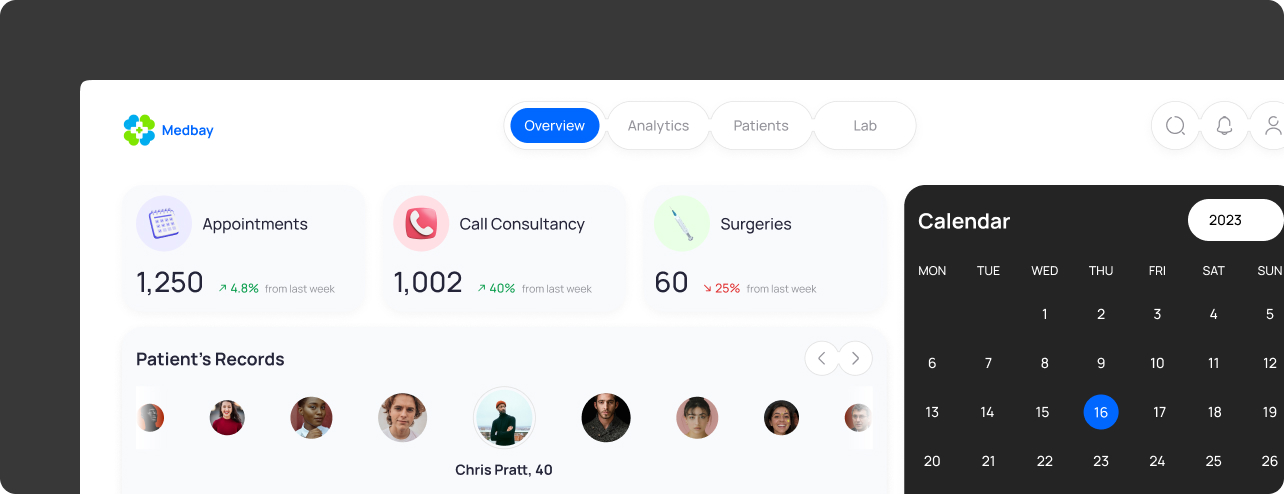
Healthcare Network — Scalable Data Model & Automation

A multi-service healthcare network needed reliable, cross-department patient and service data, fewer manual processes, and actionable operational reporting to reduce care coordination delays.

Challenges Faced

  • Multiple service lines and clinical teams used inconsistent record templates and fields; patient and service records were duplicated and fragmented.
  • Operational teams spent large portions of each week performing manual reconciliation and data entry.
  • Leadership lacked unified views to make scheduling and resource decisions.
  • Existing automations were ad hoc and brittle — small changes frequently caused data regressions.

Approach (what ISC executed)

  1. Discovery & analysis — interviewed clinical, operations, and IT stakeholders; audited current objects, fields, automations, and integrations.

  2. Data model redesign — created a normalized, scalable object structure that aligned service lines, patient encounters, and billing touchpoints.

  3. Automation framework — replaced brittle ad-hoc automations with standardized, record-triggered flows and error-handling patterns to remove manual work.

  4. Process alignment & governance — documented handoffs, defined roles/owners, and built governance rules to lock in data quality standards.

  5. Delivery coordination & rollout — staged implementation with QA gates, stakeholder demos, and training sessions.


Timeline & scope:

Discovery → Design → Pilot → Phased rollout over approximately 4 months (pilot quick wins delivered in 4–6 weeks).

Deliverables

  • Full CRM gap analysis & audit report.

  • Rebuilt data model diagram and field mapping.

  • List of automated flows (design + acceptance criteria).

  • Governance playbook and ownership matrix.

  • Executive dashboard templates for operational visibility.

  • Training materials and go-live checklist.

Outcomes / Impact

  • 35% improvement in data accuracy (normalized records and deduping).

  • 50% reduction in manual data entry (automation replaced manual steps).

  • 20% increase in cross-department reporting visibility (dashboards + aligned lifecycle).

  • 25% reduction in care coordination delays (faster handoffs and clearer ownership). ISC Business History


Why this mattered

Improved data and process clarity enabled operations and clinical leadership to make proactive scheduling and staffing choices — reducing delays and improving service throughput.

Teams Who Fixed Their Systems and Transformed Their Operations.

As we measure success in revenue, efficiency, and clarity — not “feature adoption”.

Let’s uncover the exact friction points slowing your sales, operations, and customer lifecycle — and map a clear path to impact.

Schedule a Free Consultation